Food Ingredient
The world's oldest cooking ingredient may just be vinegar. According to The Vinegar Institute, vinegar's history can be traced back over 10,000 years.
In fact, flavored vinegars have been manufactured and sold for almost 5,000 years. And the wide variety of vinegars available today is nothing new. The Babylonians were making and selling gourmet vinegars flavored with fruit, honey, malt, and more.
Vinegar is the result of a conversion by bacteria of alcoholic solutions in acetic acid. The word is derived from the French vin ("wine") and aigre ("sour"). Of course, vinegar is much more than "wine gone bad."
There are three methods of making vinegar: the slow process, the generator process, and the submerged process. Homemade vinegar uses a starter called "mother of vinegar."
Vinegar varieties vary greatly from country to country. These are some of the most popular: Balsamic vinegar is brown in color with a sweet-sour flavor. It is made from the white Trebbiano grape and aged in barrels of various woods. Some gourmet Balsamic vinegars are over 100 years old.
Cane vinegar is made from fermented sugarcane and has a very mild, rich-sweet flavor. It is most commonly used in Philippine cooking.
Champagne vinegar has no bubbles. It's made from a still, dry white wine made from Chardonnay or Pinot Noir grapes (both of which are used to make Champagne).
Cider vinegar is made from apples and is the most popular vinegar used for cooking in the United States.
Coconut vinegar is low in acidity, with a musty flavor and a unique aftertaste. It is used in many Thai dishes.
Distilled vinegar is a harsh vinegar made from grains and is usually colorless. It is best used only for pickling.
Malt vinegar is very popular in England. It's made from fermented barley and grain mash, and flavored with woods such as beech or birch. It has a hearty flavor and is often served with fish and chips.
Rice wine vinegar has been made by the Chinese for over 5,000 years. There are three kinds of rice wine vinegar: red (used as a dip for foods and as a condiment in soups), white (used mostly in sweet and sour dishes), and black (common in stir-fries and dressings).
Sherry vinegar is aged under the full heat of the sun in wooden barrels and has a nutty-sweet taste. Wine vinegar can be made from white, red, or rose wine. These vinegars make the best salad dressings.
There are many other types of vinegar, including those made from honey, potato, date, various fruits and berries, nuts, and more. You may want to purchase small amounts of these and try them for the fun of it.
Food Ingredient
Tuesday, September 26, 2006
Thursday, September 21, 2006
Variety of flour
Food Ingredient
An ingredient used in many foods, flour is a fine powder made from cereals or other starchy food sources. It is most commonly made from wheat, but also maize (aka corn), rye, barley and rice, amongst many other grasses and non-grain plants (including many Australian species of acacia).
The vast majority of today's flour consumption is wheat flour. Wheat varieties are typically known as "hard" or "strong" if they have high gluten content, and "soft" or "weak" if gluten content is low.
Hard flour, or "bread" flour, is high in gluten and so forms a certain toughness which holds its shape well once baked.
Soft flour is comparatively low in gluten and so results in a finer texture. Soft flour is usually divided into "cake" flour, which is the lowest in gluten, and "pastry" flour, which has slightly more gluten than cake flour.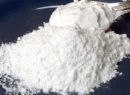
Corn flour is very popular in the southern United States and in Mexico. Coarse whole-grain corn flour is usually called corn meal. Corn meal which has been leached with lye is called masa harina and is used to make tortillas and tamales in Mexican cooking.
Corn flour should never be confused with cornstarch, which is known as cornflour in British English.
100% Rye flour is used to bake the traditional sourdough breads of Germany and Scandinavia. Most rye breads use a mix of rye and wheat flours because rye has a low gluten content. Pumpernickel bread is usually made exclusively of rye, and contains a mixture of rye flour and rye meal.
Rice flour is of great importance in Southeast Asian cuisine. Also edible rice paper can be made from it. Most rice flour is made from white rice, thus is essentially a pure starch, but whole-grain brown rice flour is commercially available.
Chestnut flour is popular in Corsica, the Périgord and Lunigiana. In Corsica, it is used to cook the local variety of polenta. In Italy, it is mainly used for desserts.

Chickpea flour (besan) is of great importance in Indian cuisine, and in Italy, where it is used for the Ligurian farinata.
Flour can also be made from soy beans, arrowroot, potatoes, taro, cattail and other non-grain foodstuffs.
Tang flour is a kind of wheat flour used in Chinese cooking that is suitable for making outer layer of dumplings and buns. It is also called wheat starch. You can find it in any Chinese supermarket.
Bread, pasta, crackers, many cakes, amongst many other foods, are made using flour. Wheat flour is also used to make a roux as a base for gravy and sauces.
White wheat flour is the traditional base for wallpaper paste. It is also the base for papier-mâché. Cornstarch is a principal ingredient of many puddings.
Variety of flour
An ingredient used in many foods, flour is a fine powder made from cereals or other starchy food sources. It is most commonly made from wheat, but also maize (aka corn), rye, barley and rice, amongst many other grasses and non-grain plants (including many Australian species of acacia).
The vast majority of today's flour consumption is wheat flour. Wheat varieties are typically known as "hard" or "strong" if they have high gluten content, and "soft" or "weak" if gluten content is low.
Hard flour, or "bread" flour, is high in gluten and so forms a certain toughness which holds its shape well once baked.
Soft flour is comparatively low in gluten and so results in a finer texture. Soft flour is usually divided into "cake" flour, which is the lowest in gluten, and "pastry" flour, which has slightly more gluten than cake flour.

Corn flour is very popular in the southern United States and in Mexico. Coarse whole-grain corn flour is usually called corn meal. Corn meal which has been leached with lye is called masa harina and is used to make tortillas and tamales in Mexican cooking.
Corn flour should never be confused with cornstarch, which is known as cornflour in British English.
100% Rye flour is used to bake the traditional sourdough breads of Germany and Scandinavia. Most rye breads use a mix of rye and wheat flours because rye has a low gluten content. Pumpernickel bread is usually made exclusively of rye, and contains a mixture of rye flour and rye meal.
Rice flour is of great importance in Southeast Asian cuisine. Also edible rice paper can be made from it. Most rice flour is made from white rice, thus is essentially a pure starch, but whole-grain brown rice flour is commercially available.
Chestnut flour is popular in Corsica, the Périgord and Lunigiana. In Corsica, it is used to cook the local variety of polenta. In Italy, it is mainly used for desserts.

Chickpea flour (besan) is of great importance in Indian cuisine, and in Italy, where it is used for the Ligurian farinata.
Flour can also be made from soy beans, arrowroot, potatoes, taro, cattail and other non-grain foodstuffs.
Tang flour is a kind of wheat flour used in Chinese cooking that is suitable for making outer layer of dumplings and buns. It is also called wheat starch. You can find it in any Chinese supermarket.
Bread, pasta, crackers, many cakes, amongst many other foods, are made using flour. Wheat flour is also used to make a roux as a base for gravy and sauces.
White wheat flour is the traditional base for wallpaper paste. It is also the base for papier-mâché. Cornstarch is a principal ingredient of many puddings.
Variety of flour
Thursday, September 14, 2006
Cinnamon

Food Ingredient
Cinnamon is the dried inner bark of various evergreen trees belonging to the genus Cinnamomum. At harvest, the bark is stripped off and put in the sun, where it curls into the familiar form called "quills."
Cinnamon in the ground form is used in baked dishes, with fruits, and in confections. Cassia is predominant in the spice blends of the East and Southeast Asia. Cinnamon is used in moles, garam masala, and berbere
The color of cinnamon is about reddish and brown. It produces sweet and pungent flavor. Cinnamon is characteristically woody, musty and earthy in flavor and aroma.
It is warming to taste. The finer the grind, the more quickly the Cinnamon is perceived by the taste buds.
Food Ingredient
Subscribe to:
Posts (Atom)
Popular Posts
-
 Acetylated Monoglyceride An emulsifier manufactured by the interesterification of edible fats with triacetin in the presence of catalysts ...
 -
What is Food Additive? The broadest definition of a food additive is any substance that becomes part of a food product, either directly or ...
-
 Substance that make a batter rise are called leavening agents. Leavening agents play a crucial role in the development of muffins. In making...
 -
Carrageenan in Gummy Candies Gummy candies are included in a large category of confectionary products such as jellies, pastilles, and win...
-
 Fenugreek flavor Fenugreek is a small European annual herb of the natural order Leguminoseae and now widely cultivated in southern Europe, N...


